
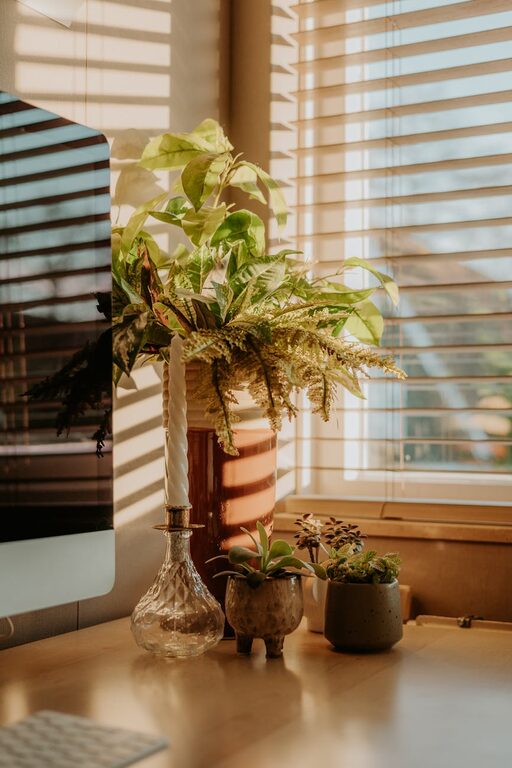
Creating a cozy and inviting home office is essential for maintaining focus and motivation, especially when you spend many hours working from home. A pleasant workspace can reduce stress, enhance creativity, and make your daily routine much more enjoyable. Whether you have a dedicated room or just a small corner, these tips will help you design a home office that feels comfortable and welcoming.
Choose the Right Location
Find a Quiet Spot
Select a part of your home that is away from noise and distractions. Ideally, this should be a quiet room or a corner with limited foot traffic. Natural separation from busy areas helps maintain concentration.
Consider Natural Light
Set up your desk near a window to benefit from natural daylight. Sunlight improves mood and energy, while also reducing eye strain. If natural light is limited, invest in good-quality artificial lighting to brighten your workspace.
Invest in Comfortable Furniture
Ergonomic Chair
Your chair is one of the most important elements in your home office. Choose an ergonomic chair that supports your back and encourages good posture. Comfort during long working hours is key to avoiding aches and fatigue.
Functional Desk
Pick a desk that fits your space and needs. Whether it’s a large table or a compact workstation, make sure it has enough surface area for your computer, accessories, and any paperwork.
Add Personal, Cozy Touches
Soft Textiles
Incorporate cushions, throws, or a small rug to add warmth and softness to your office. Textiles make the space feel more inviting and comfortable.
Warm Lighting
Use table lamps or floor lamps with warm bulbs instead of harsh overhead lighting. Warm light creates a relaxed atmosphere and reduces stress.
Personal Decor
Include items that inspire you — framed photos, plants, art prints, or meaningful objects. Personal touches help make the office feel like your own space rather than a sterile work zone.
Stay Organized and Clutter-Free
Storage Solutions
Use shelves, filing cabinets, or baskets to keep documents and supplies neatly organized. A tidy workspace promotes productivity and reduces distractions.
Cable Management
Tidy up cables with clips or cable boxes. Minimizing visual clutter from wires enhances the overall appearance and safety of your workspace.
Create Zones for Different Tasks
If your space allows, divide your office into zones for different activities. For example:
– A computer work area
– A reading or brainstorming corner with a comfortable chair
– Storage and filing section
Having designated areas for different activities keeps your workflow organized and adds variety to your environment.
Incorporate Greenery
Houseplants improve air quality and add a natural, calming element to your office. Choose low-maintenance plants like succulents, snake plants, or pothos, which thrive indoors and require minimal care.
Maintain a Comfortable Temperature and Airflow
Ensure your home office has good ventilation and is at a comfortable temperature. Fresh air prevents stuffiness, while regulating temperature helps you stay alert and focused.
Set Boundaries and Create a Routine
Establish clear work hours and, if possible, close the door at the end of the day to separate work from leisure. A consistent routine helps maintain work-life balance — an essential part of a healthy home office setup.
—
Creating a cozy and inviting home office isn’t about perfection — it’s about making a space that suits your needs and feels good to be in. With the right location, furniture, personal touches, and organization, your home office can become a favourite spot that supports productivity, creativity, and wellbeing. Happy decorating!