Creating a cozy and productive home office space is essential for anyone working remotely or managing tasks from home. When your workspace is both comfortable and organized, you’ll find it easier to focus, stay motivated, and maintain a healthy work-life balance. In this post, we’ll explore practical tips to help you design a home office that fosters both comfort and productivity.
Why a Cozy and Productive Home Office Matters
Your home office shouldn’t just be a functional spot—it should also feel welcoming. A well-designed office reduces stress, prevents fatigue, and encourages creativity. When you enjoy your environment, work becomes less of a chore and more of a rewarding experience.
Choosing the Right Location
Consider Natural Light
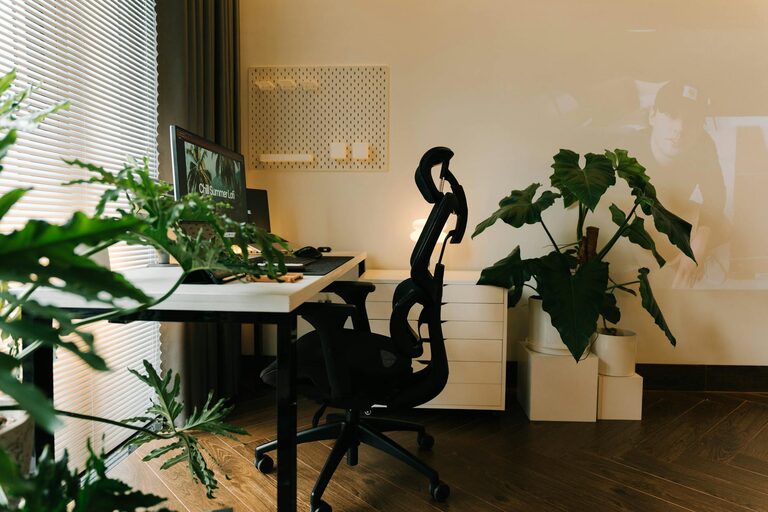
Natural light has a positive impact on mood and energy levels. If possible, set up your desk near a window. This will help reduce eye strain and create a more uplifting atmosphere. Avoid direct glare on your screen by using blinds or curtains.
Minimise Distractions
Choose a quiet corner or room that is away from household noise. By physically separating your work area from social spaces, you can help your brain switch to “work mode” more easily.
Invest in Comfortable Furniture
Ergonomic Chair and Desk
Comfortable seating and proper desk height are vital for long hours at your workstation. An ergonomic chair supports your posture and prevents back pain. Pair it with a desk that allows your arms to rest at a natural angle to avoid tension.
Flexible Layout
Consider furniture that’s adjustable or multi-purpose. A sit-stand desk option can help you switch positions throughout the day, enhancing circulation and focus.
Organise with Style
Declutter Regularly
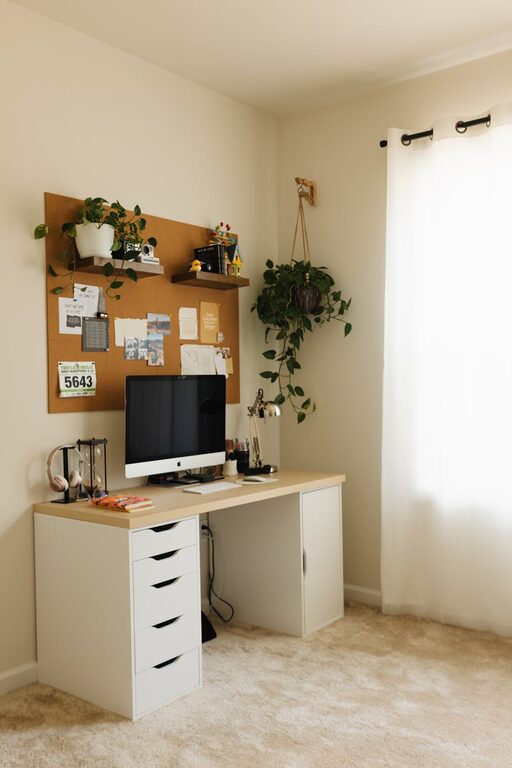
A clutter-free workspace promotes clear thinking. Use drawers, boxes, and organisers to keep stationery and documents tidy. Regularly sort through your items to avoid hoarding unnecessary things.
Personalise Thoughtfully
Adding a few personal touches such as photos, plants, or artwork can make your office more inviting. However, keep decorations minimal to maintain a distraction-free environment.
Lighting Tips
Layer Your Lighting
Combine different lighting sources: overhead lights, desk lamps, and ambient lighting. This helps prevent eye strain and adjusts your workspace atmosphere depending on the time of day.
Use Warm Light Bulbs
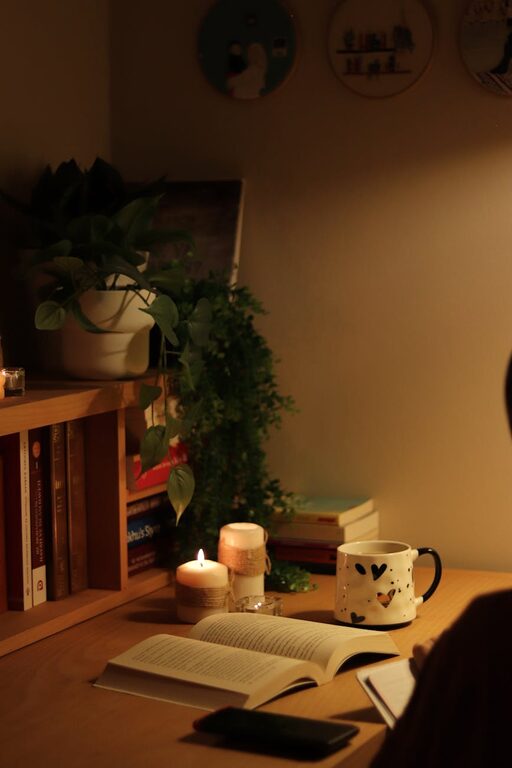
Choose light bulbs with a warm colour temperature (around 2700K to 3000K). Warm lighting creates a cozy feeling without being too harsh, making your workspace comfortable during early mornings or late evenings.
Enhance Productivity with Technology
Reliable Equipment
Ensure you have a fast internet connection and up-to-date hardware to avoid interruptions. A quality keyboard and mouse can also improve comfort during long work sessions.
Minimise Digital Distractions
Use apps or browser extensions to block distracting websites during focused work periods. Organise digital files and emails to save time and reduce frustration.
Encourage Movement and Breaks
Create a Break Zone
If space allows, set up a small area for relaxing away from your desk. A comfy chair or a small couch invites you to take regular breaks, which is vital for mental clarity.
Incorporate Stretching or Light Exercise
Integrate simple stretches or short walks into your daily routine. Movement helps reduce stiffness and re-energises your mind.
Bring Nature Inside
Houseplants
Adding greenery to your workspace can improve air quality and reduce stress. Choose easy-to-care-for plants like succulents, spider plants, or pothos.
Natural Materials
Incorporate wood, stone, or bamboo elements for a natural feel. These textures add warmth and create a soothing environment.
Maintain Work-Life Balance
Set Clear Boundaries
Define your working hours and stick to them. Communicate this schedule with family members or housemates to minimise interruptions.
End-of-Day Ritual
Create a routine that signals the end of your workday, such as switching off your computer, tidying your desk, or closing your office door. This helps separate professional time from personal relaxation.
—
By thoughtfully combining comfort, organisation, and technology, you can create a home office that supports both your wellbeing and productivity. Start small and adapt your space over time to find what works best for you. A cozy, productive home office will not only improve your work performance but also make your daily routine more enjoyable.